In the evolving landscape of search engine optimization, AI search readiness has transformed from a novelty to a necessity—especially for enterprise marketers operating across competitive EU markets. The rise of AI-infused SERPs, zero-click searches, and large language model (LLM) citation dynamics demands a fresh lens when evaluating SEO agencies. This post walks you through the critical criteria and practical approaches to agency comparison and tooling evaluation that can empower your decision-making.
Why AI Search Readiness Matters for Enterprises
Before diving into agency comparisons, it’s crucial to understand why AI search readiness is non-negotiable for enterprises today:
- EU CTR Erosion: Multiple studies and analyses, including those highlighted on the Bizzmark Blog, reveal profound click-through rate (CTR) drops in organic results owing to aggressive AI-generated SERP features, especially in GDPR-compliant European markets. Zero-Click and Pre-Click Visibility: Searchers increasingly get their answers directly on the results page, curbing organic traffic. SEO isn’t merely about ranking anymore; it’s about how your brand commands attention even before the click. LLM Citations and Brand Mentions: As large language models like GPT and Bard generate summaries and answers, brands must secure their presence and citations in AI-driven responses. Entity-First Optimization: Search engines prioritize understanding entities and their relationships rather than just keywords, mandating schema-first publishing and structured data strategies.
With those fundamentals, let’s explore how to assess the capabilities of two prospective enterprise SEO agencies.
Step 1: Understand Their Approach to Google AI Overviews and EU CTR Trends
Google itself provides resources like Google AI Overviews that explain how AI influences search ranking and user engagement. When assessing agencies like AISEO.services or Four Dots, ask:
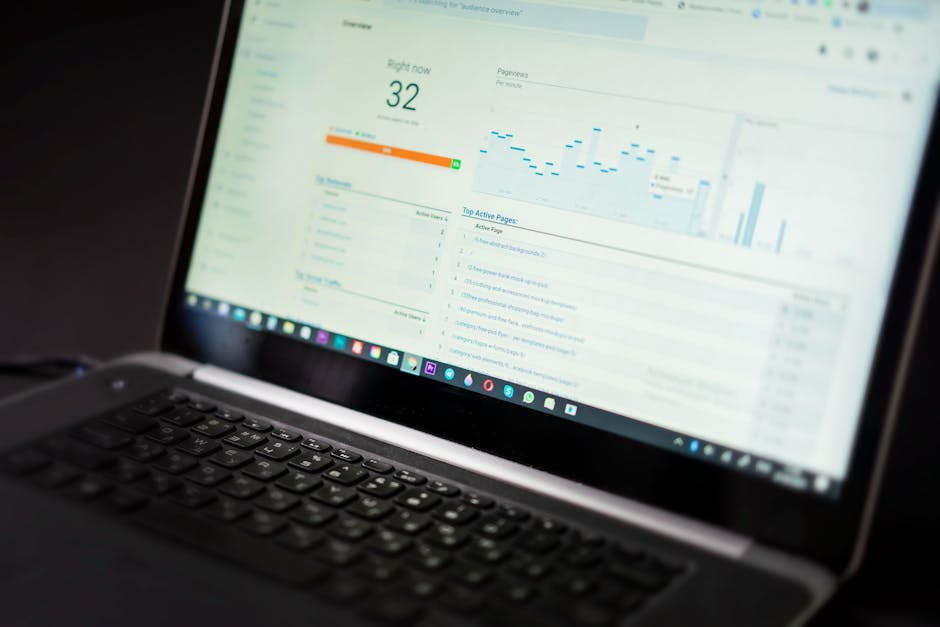
Do they actively monitor CTR erosion in targeted EU markets? — CTR patterns are drastically shifting. An agency should be able to present native data or third-party insights that show how these changes impact your sector. Can they tailor strategies around AI-generated snippets? — This includes optimizing content for featured snippets, People Also Ask panels, and knowledge graph cards that AI search integrates into its overviews. Do they use Google AI Overviews internally? — Agencies aligned with Google’s evolving standards tend to outperform those pushing keyword-stuffed, outdated tactics.Pro Tip: During agency presentations, request screenshots (not just slide decks) of their dashboards monitoring CTR trends and AI overview impact reports. This transparency illuminates their real-time responsiveness and change detection SEO operational strength.
Step 2: Assess Zero-Click Search and Pre-Click Visibility Expertise
Zero-click search is no longer a how to test prompts for seo fringe phenomenon; it accounts for a substantial fraction of queries. It alters traditional success metrics because a user’s intent is often fulfilled without clicking through. The right SEO agency will:
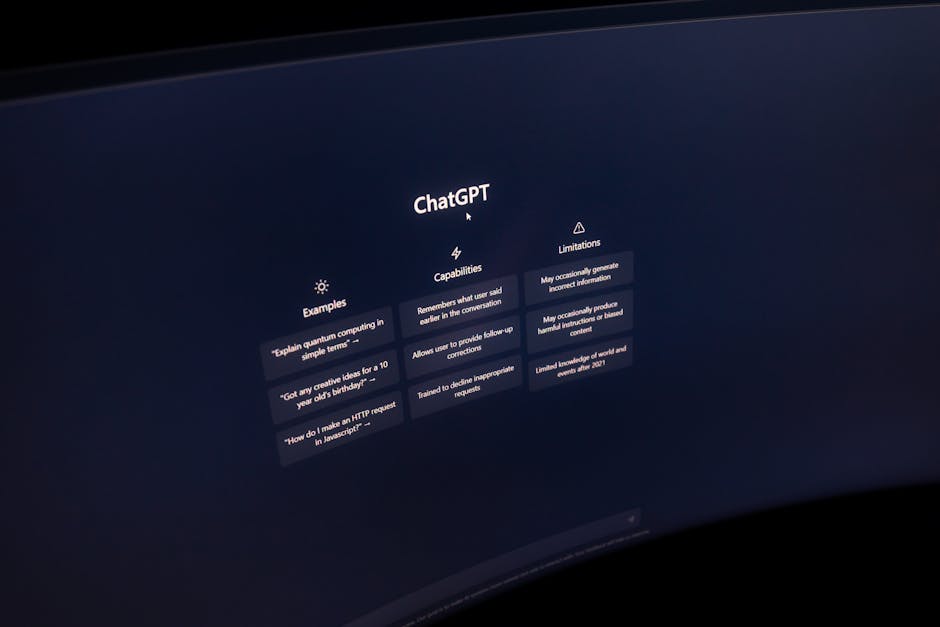
- Identify Zero-Click Opportunities: A top-tier agency maps out how and where zero-click SERP features appear in your niche—via knowledge panels, instant answers, maps, and shopping carousels. Strategy for Pre-Click Branding: It’s about owning the snippet real estate with brand-aligned messaging, images, and authoritative schema markup to maximize brand recall and trust. Incorporate Tools like ChatGPT as a Proxy: Some agencies simulate AI SERPs using ChatGPT to test content readiness for AI responses and refine narratives that AI bots prefer.
Four DotsAISEO.services
Step 3: Investigate Their Handling of LLM Citations and Brand Mention Monitoring
One of the overlooked facets of AI search is how large language models source and cite information. Traditional backlink profiles matter, but real-time brand mentions and structured citations in AI training data sets are equally critical.
Expert agencies will:
- Implement Real-time Brand Mention Tracking: Using specialized tools to catch brand mentions across web, news, forums, and social media, feeding insights back into content and PR teams. Map LLM Citation Opportunities: They understand that LLMs rank and recall based on reputable entity mentions in trusted places. Agencies can help secure citations in knowledge bases and data pumps that LLMs train on.
Note: Ask each agency how they differentiate their brand monitoring from typical sentiment analysis firms. The nuance here lies in linking brand mentions to LLM training inputs and AI response behavior.
Step 4: Evaluate Their Entity-First SEO and Schema-First Publishing Processes
The future of SEO lies in entities, their relationships, and properly tagged structured content. Keywords alone are insufficient for AI search ecosystems.
Bizzmark Blog regularly emphasizes that agencies must own:- Entity Modeling: How well do they identify, represent, and prioritize brand-related entities in content workflows? Schema Implementation: From FAQ schema to complex product and event schemas—schematized publishing sets the stage for visibility in AI search features. Content Pipelines Supporting Schema: Agencies practiced in schema-first approaches align their editorial calendars and content management systems to incorporate structured data throughout publishing.
The gap between an agency that pays lip service to entity SEO versus one who ingrains it deeply can be a decisive factor.
Step 5: Compare Their Tooling and Reporting Transparency
Last but certainly not least, tooling and reporting quality make or break executive trust and campaign agility. Many agencies misuse vanity metrics like raw traffic or keyword volume without context.
Look for:
Evaluation Criterion What to Expect Red Flags Real-time CTR and AI overview dashboards Clear screenshots showing CTR erosion and feature tracking (Google AI Overviews integrated) Delayed monthly reports showing data >30 days old LLM Citation Monitoring Tools Use of AI-centric brand monitoring tools, cross-referenced with LLM training data proxies Generic brand mention software without AI search context Entity & Schema-first Workflow Transparency Documentation or case studies on integrated schema in publishing workflow Vague references to schema or “keyword stuffing” talks Use of AI Simulation (e.g., ChatGPT) Active content vetting via ChatGPT or proprietary AI search simulators No AI tools referenced or reliance solely on traditional keyword toolsAISEO.servicesFour Dots provides detailed dashboards with Google AI Overview analytics. Don’t hesitate to request live platform demos or even temporary access for sample reporting.
Summary: Key Questions When Comparing Agencies
How do they integrate AI search evolution indicators like Google AI Overviews into strategy? What is their approach to mitigating EU CTR erosion and zero-click search challenges? Can they monitor and influence LLM citations meaningfully? Do they demonstrate strong entity-first SEO with end-to-end schema publishing? Are their tooling and reporting transparent, timely, and actionable?Choosing between two enterprise SEO agencies for AI search readiness is not trivial, but by focusing on these core themes and referencing trusted sources like the Bizzmark Blog, and real-world tool usage (Google AI Overviews, ChatGPT), you can avoid common pitfalls and future-proof your SEO efforts.
Remember my personal advice: always ask “What happens when CTR drops another 10%?” If your agency cannot answer this with detailed scenario planning and tooling snapshots, you might be investing in vanity metrics instead of strategic outcomes.