For the last nine years, I have lived in the trenches of SEO and analytics. I’ve seen the shift from keyword-based organic traffic to the current chaotic landscape of AI search. If you are an agency lead, you have likely been pitched on "AI visibility" tools that promise the world. My first question to those sales reps is always the same: "What would I show in a weekly report?"

If they can’t show me a metric that correlates to a revenue shift or a measurable change in brand sentiment, it’s just fluff. As agencies, we need tools that facilitate multi-client tracking without requiring a small army of analysts to manage the dashboard. We need unlimited user seats so our teams can actually work, and we need data sources that are transparent.
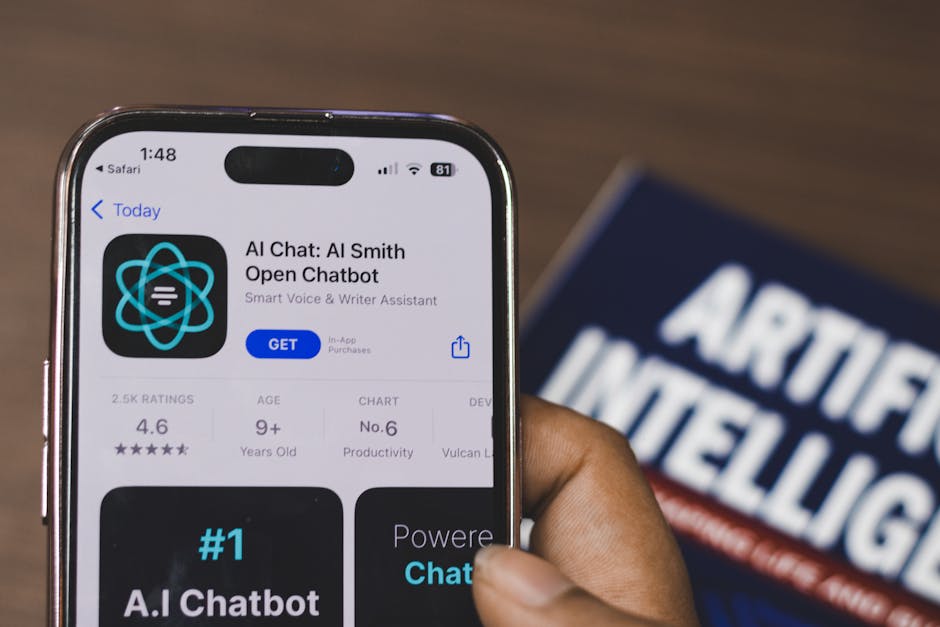
In this guide, we’re cutting through the buzzwords to examine the current state of agency ai visibility and the platforms currently vying for your budget.
AI Search as a Measurable Revenue Channel
Stop calling it "AI visibility." It’s imprecise. In my reports, I track AI-Driven Attribution. When a user queries Perplexity, fingerlakes1 ChatGPT, or Gemini, and the LLM cites your brand, that is a touchpoint. We need to measure that touchpoint against our existing GA4 integration or Adobe Analytics integration. If a citation doesn’t lead to a click, and that click doesn't convert, the "visibility" is a vanity metric.
When evaluating a platform for your agency, demand to know their data source. Is it a proprietary crawler? Are they running thousands of live prompts through an API? What is the update cadence? If they cannot tell you how often their data refreshes, you are flying blind.
Platform Review: The Current Landscape
Not all tools are created equal. Here is how three major players stack up in the context of high-volume agency needs.
Semrush
Semrush is the workhorse of the industry. Their recent expansion into AI visibility is a natural evolution of their massive database. For agencies, Semrush is the safest bet because of its ecosystem integration. It allows you to layer AI-generated citation data over traditional organic keyword data.
- Pros: Unmatched historical data; seamless reporting export; widely understood by clients. Cons: Can become expensive as you scale seats; sometimes lacks the granularity of newer, AI-first startups.
Peec AI
Peec AI approaches the problem from a specific angle: intent-based tracking. For agencies that focus on brand reputation and thought leadership, Peec AI offers a different kind of depth. They are particularly strong at tracking how specific brand entities are being discussed across different LLMs.
- Pros: Highly specific focus on entity mention vs. citation; excellent for tracking "share of voice" in complex prompt environments. Cons: Requires a learning curve; the data granularity can be overwhelming for clients who just want a high-level overview.
Otterly AI
Otterly AI has carved out a niche by focusing on the "prompt engineering" side of the visibility puzzle. They track not just whether you appear, but what the AI is actually saying about you. For an agency, this is critical—it’s the difference between a brand mention and a genuine recommendation.
- Pros: Strong emphasis on prompt databases; helps teams optimize content specifically for LLM training data. Cons: Newer in the market, so their historical database is smaller than the legacy players.
The Agency Requirement: Unlimited User Seats and Multi-Client Tracking
One of my biggest pet peeves is "seat-based pricing" that restricts an agency's ability to scale. If you are managing 50+ clients, you need unlimited user seats. Why? Because the junior SEO strategist, the content lead, and the account manager all need to view the data without needing to share credentials or pay extra for a "view-only" account.
Furthermore, multi-client tracking must be automated. If your account manager has to manually set up a new campaign for every client, you’ve already lost the ROI on the tool. Look for platforms that offer bulk project creation and templates for their reporting modules.
Data Depth: Why "Tracking Everything" is a Lie
Whenever a vendor tells me they "track everything," I stop them immediately. It is physically impossible to track "everything" across all LLMs, search engines, and generative search surfaces. Instead, look for a tool that lists their engine coverage explicitly.
Platform Primary Coverage Data Source Transparency Integration Depth Semrush Google, Bing, Major Search Engines High (Industry standard) Full GA4/Adobe Suite Peec AI Perplexity, Gemini, ChatGPT (Contextual) Medium (Proprietary) Focus on CRM/GA4 Otterly AI LLM Knowledge Graphs & Search Medium (Prompt-based) Focus on Content/GA4When you evaluate these, check their update cadence. Is the data updated daily? Weekly? Monthly? In the world of AI search, a monthly update is essentially ancient history. You need at least a weekly pulse to adjust your SEO strategy.
Brand Mentions vs. Citations vs. Share of Voice
When you sit down to build that weekly report, you need to be precise about what you are measuring. A "mention" is just a string match. A "citation" is the AI using your brand as evidence to answer a user's question. Citations are the new backlink.
What to report:
Citation Volume: Number of times the brand was cited in LLM responses. Sentiment Score: Was the citation positive, neutral, or negative? LLM Share of Voice: How often do we appear compared to the top 3 competitors in specific AI search queries? GA4 Conversion Correlation: Did the traffic from AI-referral paths result in a conversion?The Integration Imperative: Why GA4/Adobe Analytics Matter
If your AI visibility platform lives in a vacuum, it’s a toy, not a business tool. You must connect your visibility data to your GA4 integration. If you can’t see the landing page path for traffic coming from an AI source, you aren't doing SEO; you’re just reading headlines.
For larger agencies using Adobe Analytics, ensure the platform you choose has robust API documentation. You need to pull the AI visibility data into your existing enterprise data warehouse so you can map "citations" against "assisted revenue" in your BI tool of choice.
The Final Verdict
Choosing an AI visibility platform for an agency is not about finding the "best" tool—it’s about finding the tool that creates the least friction for your team while providing the most clarity for your clients. Whether you choose the reliable infrastructure of Semrush, the entity-focus of Peec AI, or the prompt-depth of Otterly AI, keep your standards high.
Demand transparency on data sources. Prioritize unlimited user seats to keep your operations fluid. And most importantly, always remember: "What would I show in a weekly report?" If the platform can’t make your weekly client update faster, more accurate, and more profitable, don’t sign the contract.
We are no longer in the era of keywords. We are in the era of context, intent, and citations. Adjust your reporting accordingly.