In my ten years of building growth loops and optimizing onboarding flows, I’ve seen teams obsess over color palettes, copy, and A/B testing button placements. They spend weeks debating the perfect CTA, only to launch a product that hangs for 2.5 seconds on a white screen. That isn’t just a technical oversight; it’s a death sentence for your retention strategy.
Performance isn’t a “nice to have” for the engineering department. It is a fundamental product feature. When a page fails to load, you aren’t just losing a visitor; you are breaking the dopamine cycle that keeps users coming back. You are telling your user that their time—and by extension, their business—isn't worth your focus.
So, let’s stop calling it “improving engagement” and start talking about the mechanics of why speed is the bedrock of growth.

Performance is a Product Metric, Not a Backend Metric
When McKinsey Digital publishes research on digital transformation, they consistently point to a single truth: speed correlates directly to revenue. Yet, I still see product managers treat page speed as a secondary concern. If your mobile performance is poor, your "frictionless UX" is a myth.
Think about a streaming platform. When you open the app, you expect an immediate, curated feed. If the recommendation engine stalls because the API call is lagging, the user doesn't wait. They exit. In that moment of waiting, the user’s brain asks: "Is this worth it?" The answer is almost always no.
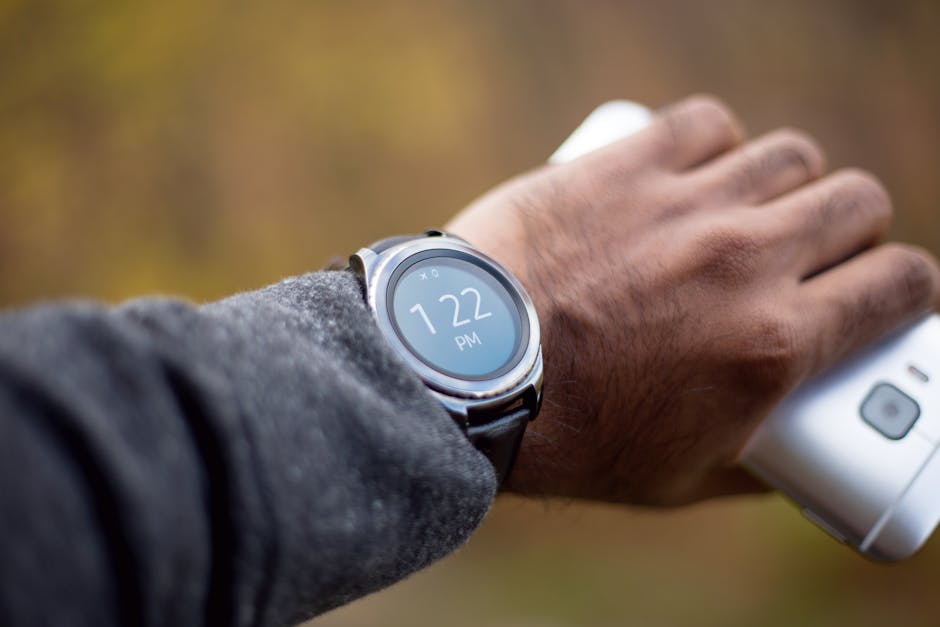
I keep a running list of "tiny frictions" that kill retention. You’d be surprised how many of them relate to latency. Here is what we see when load times drag:
- Broken Anticipation: Users have high expectations for smooth navigation. A delay snaps them out of their intent. Context Switching: If an app lags, the user checks their notifications or jumps to another app. Once they switch, you’ve lost the session. Increased Bounce Rate: The correlation between load speed and bounce rate is linear and unforgiving.
The Continuous Interaction Loop
Effective growth models rely on continuous interaction loops. Think of the mobile app experience for a brand like MrQ. MrQ has mastered the art of gamification in a space where user intent is high and patience is low. If their mobile app performance was sluggish, the "game" would stop being a game and start being a chore.
When you have gamification mechanics—progress bars, badges, or instant rewards—the feedback loop must be near-instantaneous. If a user completes a task but the UI freezes for two seconds before showing the reward, the psychological reinforcement is destroyed. The "win" state never lands.
This is why high-performance mobile apps prioritize the perceived load time. They don't wait for the entire data set to arrive before showing the skeleton of the UI. They prioritize the "What does the user do next?" path to keep the loop spinning.
The Comparison: Impact of Latency on Key Metrics
Metric Impact of 1s Delay Impact of 3s Delay Bounce Rate +10% +35% Session Duration -15% -50% Conversion -7% -20%Personalization and the Recommendation Trap
We all love the idea of hyper-personalization. Streaming platforms rely on recommendation engines to keep users glued to the screen. But personalization is a heavy data load. If you are firing ten personalized API calls to build a "Recommended for You" section and your page speed suffers, the personalization has become a liability.
I remember consulting for a content aggregator that wanted to replicate the feed style seen on high-end B2B News Network (B2BNN) portals. They loaded high-resolution assets and complex personalization scripts. The result? A 40% drop in mobile engagement. The content was great, but the delivery mechanism was failing.
If your personalization engine makes the page slow, you’ve prioritized the "what" over the "how." Users will always prefer a slightly less personalized experience that is lightning-fast over a perfectly curated continuous interaction experience that hangs for five seconds.
Gamification Beyond Gaming
Gamification is the easiest way to increase LTV, but it is also the most fragile. If you’re adding gamified elements to a B2B SaaS dashboard or a mobile utility app, you need to treat those mechanics like a high-stakes game.
Gamification relies on the "instant reward" reflex. When a user clicks, they expect a reaction. If your mobile performance is dragging, you’re essentially introducing a lag in the user's reward cycle. Your gamification strategy, no matter how creative the copy or design, will fail because the delivery of the reward is failing.
The PMM Audit: What Does the User Do Next?
I constantly ask my product teams: "What does the user do next?" If they are waiting for a page to load, the answer is: "They leave."
To stop the bleed, we have to stop treating page speed as a technical backlog item. It belongs at the top of your product roadmap. Here is how you can reframe the conversation in your next sprint planning session:
Map the "Wait" Points: Audit your user journey. Where is the user stuck waiting for a loading spinner? That is your biggest churn risk. Optimize for Perceived Speed: Use skeleton screens, lazy loading, and optimistic UI updates. If the user *feels* like the app is fast, they will act like it is. Kill the Bloat: If a third-party tracking pixel or a heavy personalization script is adding 800ms to your load time, remove it. A data point isn't worth a lost user. Mobile First Isn't Optional: B2B platforms, news sites, and even enterprise software are accessed on mobile now. If you aren't optimizing for mobile performance, you are ignoring half your potential growth.Conclusion
Speed is the most effective way to respect the user's time. When your pages load fast, you provide a frictionless UX that encourages the user to stick around for the next step. When they lag, you introduce tiny frictions that aggregate into a massive retention problem.
Don't fall for the trap of adding more bells and whistles before you’ve optimized the baseline speed. If your platform isn't fast, your personalization, gamification, and UI design are all wasted effort. Build for speed, then worry about the rest.
What does the user do next? If your page loads in under 300ms, they engage with your product. If it doesn’t, they engage with your competitor.